How the USS Olympia C 6 brought home the Unknown Soldier
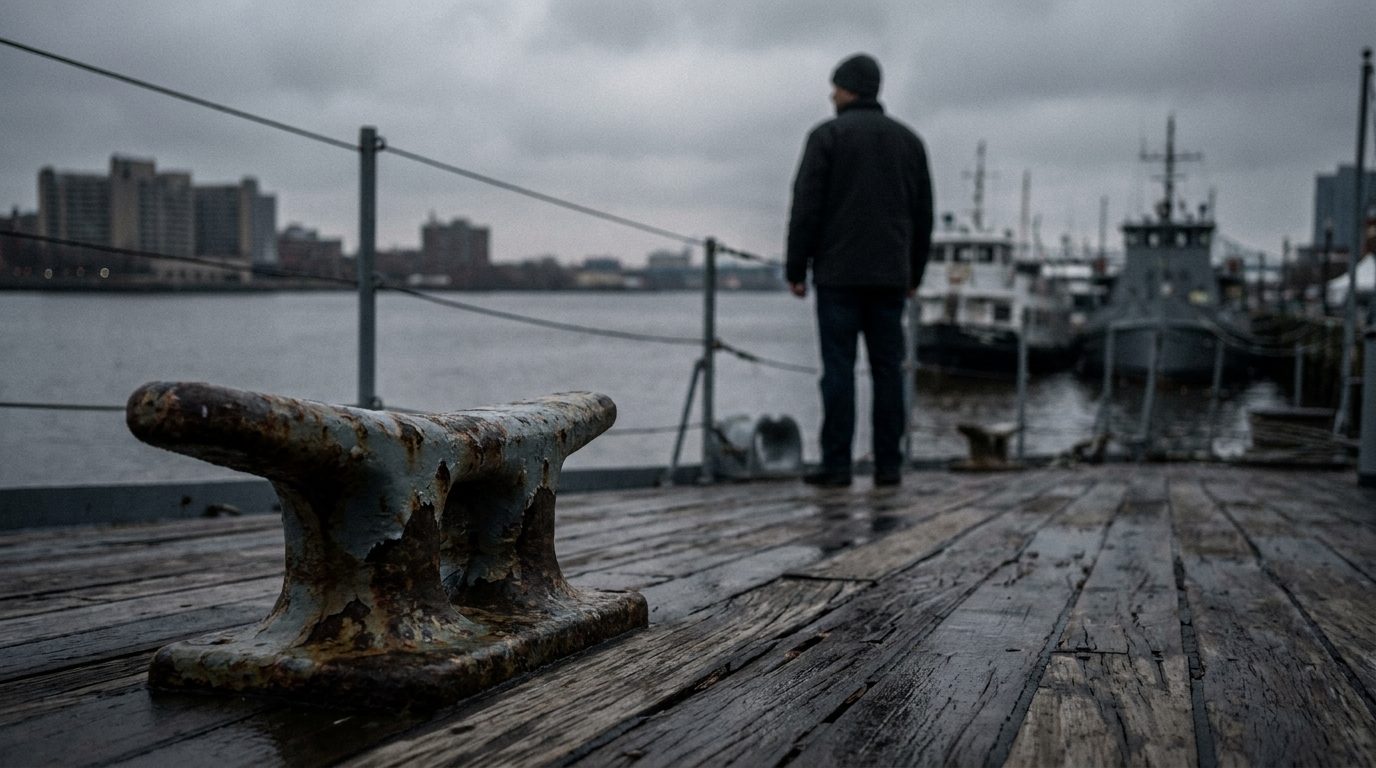
Olympia is the oldest steel warship still afloat anywhere, and she is tied up in Philadelphia. Most people know her as Dewey's flagship at Manila Bay in 1898. The voyage I find harder to stop thinking about happened twenty-three years later.
In 1921 she carried the body of the Unknown Soldier from France to Washington.
Why her
By 1921 Olympia was old. She had been commissioned in 1895, she was a protected cruiser of a type that had already been superseded, and the Navy had newer ships in every category.
She was also famous, and she was available, and she was the right size for a ceremonial task that required a ship able to cross the Atlantic and then come up the Potomac. A battleship could not have made the river passage comfortably.
There is a symbolic argument too. Sending a ship from the war of 1898 to collect a man from the war of 1917 connected two generations of service, and people at the time noticed that.
The selection in France
The choice of which body was deliberately made impossible to trace.
Four unidentified American dead were exhumed from four different battlefield cemeteries in France. They were brought to Châlons-sur-Marne, the caskets were rearranged so that nobody could know which came from where, and a decorated American sergeant, Edward Younger, chose one by placing flowers on it.
The other three were reburied in France.
The whole procedure was designed so that no family could ever be told this was or was not their son, and so that every family could believe it might be. That was the point of it, and I think it was understood at the time better than it sometimes is now.
The crossing
Olympia sailed from Le Havre in late October 1921 with the casket aboard.
The Atlantic in autumn is the Atlantic in autumn. Accounts of the passage describe heavy weather, and the casket was secured on deck with a watch kept over it for the whole crossing. That detail is the one I would want people to take away. Somebody stood there, in that weather, the entire way.
She arrived at the Washington Navy Yard on 9 November. The burial at Arlington took place on 11 November 1921, three years to the day after the armistice.
What happened to her afterwards
Very little, which is the ordinary fate of an old ship.
Olympia was decommissioned in 1922 and laid up. She avoided scrapping largely through the persistence of people who argued for her preservation, and she has been a museum ship in Philadelphia since the 1950s.
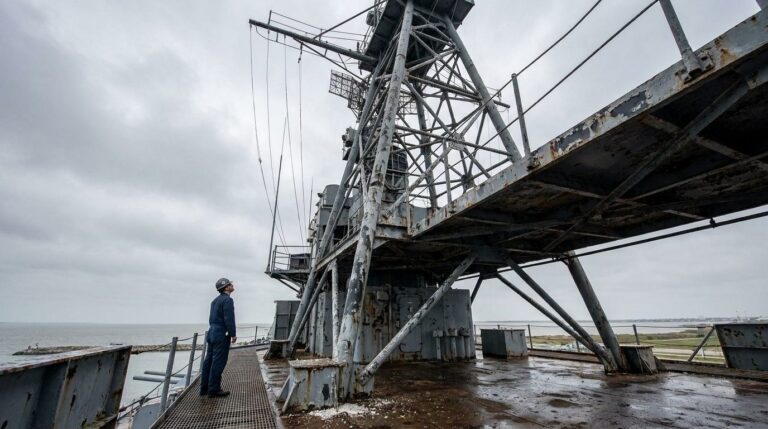
Her condition has been a serious concern more than once. A steel hull from 1892 sitting in brackish water needs continuous and expensive attention, and there have been periods where her future was genuinely in doubt. If you care about these ships, that is worth knowing.
Getting the details right
Her designation was C-6, protected cruiser number six, and she later carried other classifications as the Navy reorganised its list. If you see her written as CA-15 or IX-40, those are real and they come from later renumbering rather than from anyone's mistake.
She is the only ship of her class. There was never another Olympia of that design.
And the Unknown Soldier of the first world war is one of several at Arlington. The 1921 burial is the one Olympia is connected to.
If you visit
Stand on the deck and try to place where the casket sat. There is a marker.
Then go below and look at the engineering spaces, which are original and which are the most remarkable thing about the ship. Reciprocating engines from the 1890s, enormous and intricate, built when a warship was still a machine a man could understand by looking at it.