How Black homesteaders built a town in Nicodemus Kansas
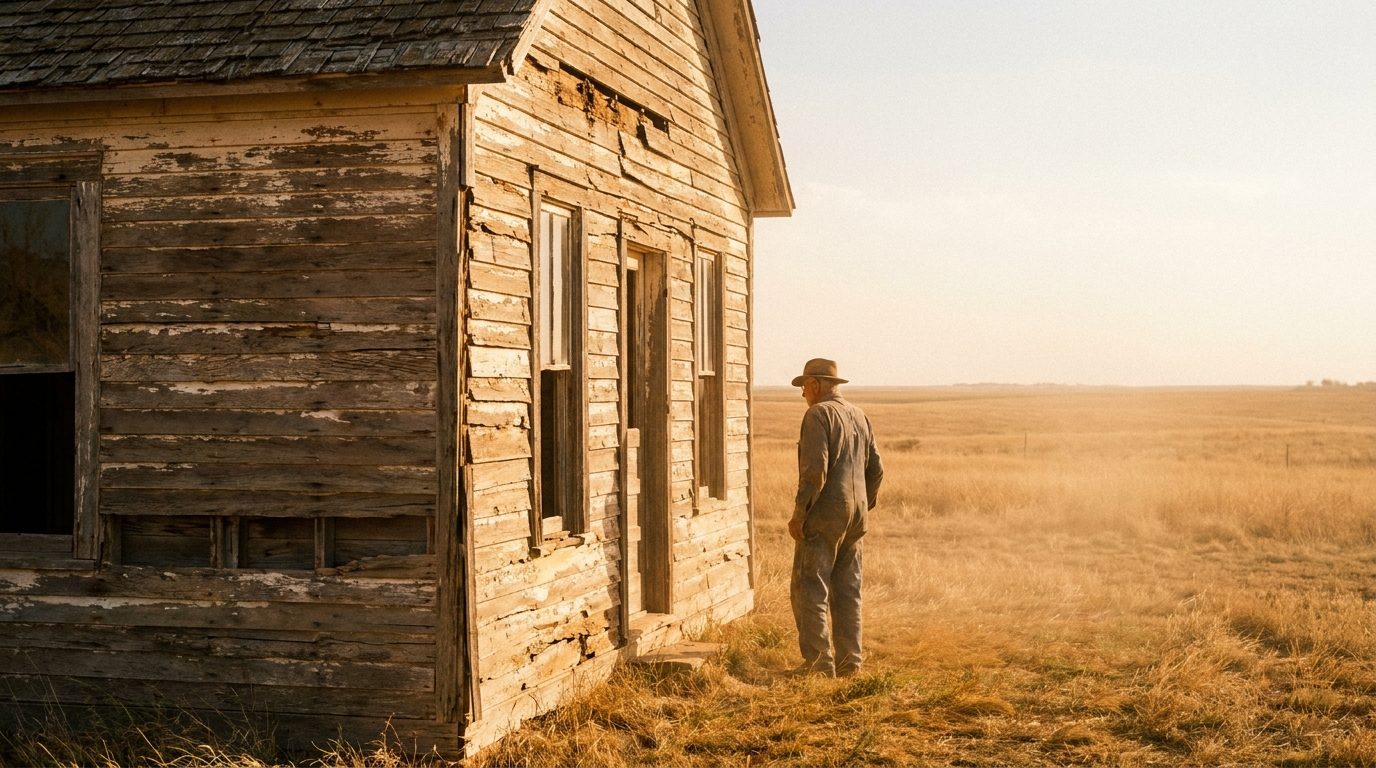
Nicodemus is still there, on the high plains of Graham County in northwestern Kansas. It is a National Historic Site now, with a handful of residents and five historic buildings, and it is the only surviving town of its kind west of the Mississippi.
It was founded in 1877 by Black settlers from Kentucky.
Why people left
Reconstruction ended in 1877, and the withdrawal of federal troops from the South left Black citizens without protection against a campaign of violence and legal disenfranchisement that was already well under way.
The exodus that followed, and the people who took part in it were called Exodusters, sent tens of thousands toward Kansas over the following years. Kansas held a particular meaning as the state where the fight over slavery had turned violent in the 1850s and where John Brown had operated.
Nicodemus was promoted by a town company, including both Black and white promoters, who advertised in Kentucky. The advertising described the site in terms considerably more attractive than the reality.
The first winter
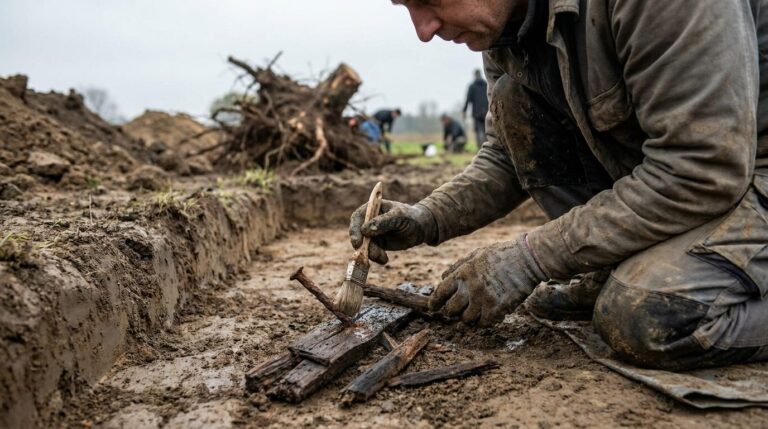
The settlers arrived to open prairie. No timber, no buildings, no wells.
They spent the first winter in dugouts cut into the sides of ravines. Accounts from the period describe people arriving expecting a town and finding nothing at all, and some turned round and left immediately.
Those who stayed were helped through that winter by Osage people in the area, a detail that is preserved in the community's own account and which I have always thought deserves more attention than it gets.
What they built
By the 1880s Nicodemus was a functioning town. Several hundred people, a bank, hotels, a newspaper, general stores, churches, a school, a baseball team.
Landowning was the point of it. Homesteading meant title to land, and title to land meant a form of independence that was being systematically denied in the South. People filed claims, proved them up, and farmed.
The town produced its own professionals and its own local officeholders, and Black residents of Graham County held county positions, which was not a small thing in the 1880s.
What ended the growth
The railroad.
Nicodemus expected a line and campaigned for one. In the late 1880s the Union Pacific routed its line through Bogue, a few miles away, and the Missouri Pacific also bypassed the town.
On the plains in that period, a town without a railroad had no way to get grain to market at a competitive cost. Businesses relocated to the towns on the line. The population began to fall and never recovered.
It is a very ordinary story of nineteenth century western settlement and it happened to hundreds of towns. What is not ordinary is that Nicodemus survived at all when almost every comparable Black settlement did not.
Why it survived
Land, mostly. Families who owned their farms stayed on them, and descendants held that land through the twentieth century.
And the Emancipation Celebration, held every summer since the 1870s, which brought descendants back annually from wherever they had moved to. That gathering is still held, and it is the mechanism that kept a dispersed community attached to a place.
Visiting and researching
The National Park Service site includes the township hall, the school, two churches and the old hotel.
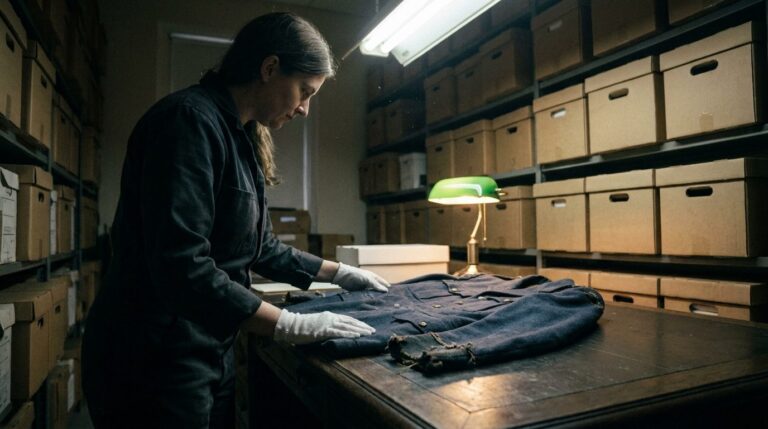
For research, the homestead files at the National Archives are the richest source. A homestead entry file contains the claim, the proof, the names of witnesses and often a description of the improvements made, which is to say a description of exactly what somebody built with their own hands in 1879.
Kansas state historical records and the county deed books fill in what happened afterwards.
I took students through a homestead file once rather than a textbook chapter. It took a full period to read one file and it did more than a week of lecturing.