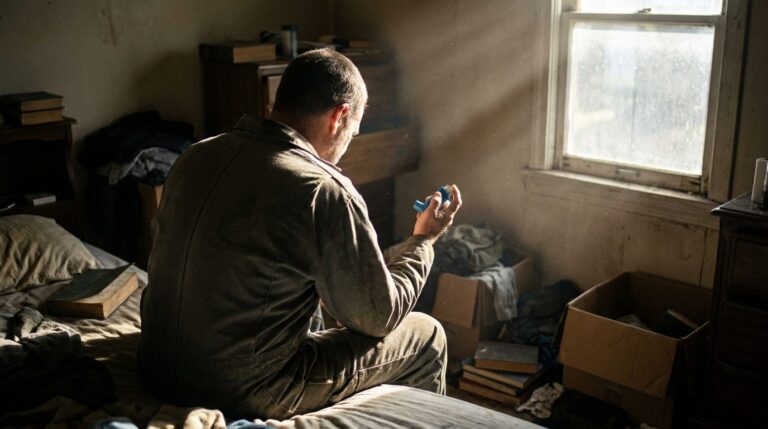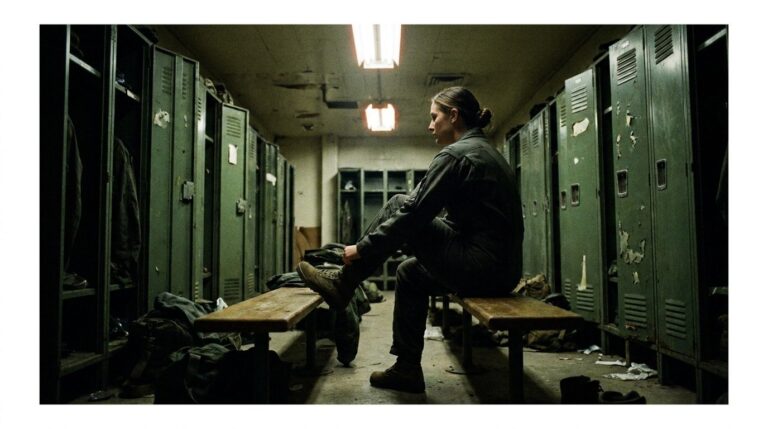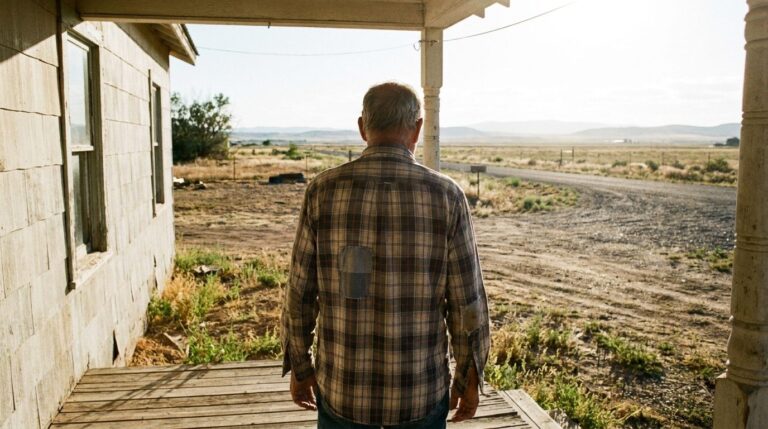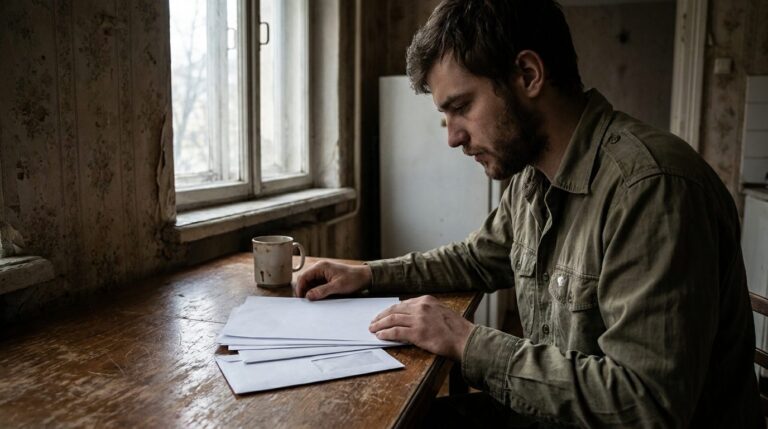

The silent homecoming of the veterans of Operation Just Cause
Ask most Americans to name the military operations of the last forty years and you will get Desert Storm, Iraq and Afghanistan. Panama, December 1989, usually does not come up at all.
Around twenty-seven thousand American troops took part. Twenty-three were killed and several hundred wounded. Panamanian casualties, military and civilian, were considerably higher and the figures remain disputed.
It was over in a matter of days, and that is a large part of why nobody remembers it.
Why it disappeared
Timing, mostly.
The Berlin Wall had come down five weeks earlier. The news in that winter was about Eastern Europe, and an operation in Central America that was finished before most people had formed an opinion about it could not compete.
Then thirteen months later Desert Storm began, with half a million troops, a long build up, and continuous television coverage. Panama was overwritten.
The brevity worked against it too. There was no long campaign for the country to follow and no gradual return of units over a year. Most people came home quickly and quietly.
What that meant for the men who were there
I was not. I was three years old. What I know comes from Just Cause veterans I have interviewed, mostly by telephone, early in the morning before they go to work, which is when men that age will talk.
The thing that comes up in almost every conversation is the absence of acknowledgement.
They came back to units, took leave, and went back to work. There were no parades of the kind Desert Storm got. When they told people later where they had served, the common response was confusion, or a vague memory of Noriega, or nothing.
One man told me he stopped mentioning it around 1993 because explaining it was more effort than it was worth. That is a sentence I have heard in different forms from more than one of them.
The specific difficulty with recognition
This is where it gets practical rather than emotional.
Combat veteran status matters administratively. It affects eligibility for certain services and it affects how a disability claim is evaluated.
Veterans of short operations have historically had more trouble establishing what happened to them, because the documentary trail is thinner. Unit records for a four day operation are less extensive than for a year long deployment. Fewer people filed reports. Fewer awards were processed.
And a claim filed in 2010 about an injury from December 1989 runs into the ordinary problem of proving service connection across two decades, with the added difficulty that the operation itself is unfamiliar to whoever is reviewing the file.
Several of the men I have spoken to described having to explain the operation to VA staff.
What I would say to them, and to anybody
File anyway. Late is better than never, and a claim can be reopened with new evidence.
Get your records. Your DD-214, your unit's records, your award citations. Find people you served with, because a buddy statement from someone who was there is real evidence and it carries weight.
And if you have been carrying something for thirty-five years because the operation was short and you felt you had no standing to complain about four days, that reasoning is wrong. The duration of the operation has nothing to do with what happened to you inside it.
The broader point
Public memory of a war is shaped by how long it lasted and what else was happening, not by what it cost the people in it.
There are Americans walking around who fought in Grenada, in Panama, in Somalia, in Lebanon, in operations that occupy a paragraph in the general histories. What they carry is not smaller because the paragraph is.
I keep interviewing them because in another fifteen years there will be nobody left to ask.