How the early burn pits in Iraq affected veteran health
Every base I was on had one. A hole in the ground, sometimes the size of a football field, burning everything the base produced, with jet fuel used as an accelerant.
Plastics, medical waste, batteries, tyres, electronics, vehicle parts, human waste, uniforms, food. All of it, all day, and the smoke went wherever the wind took it, which was often straight across the living quarters.
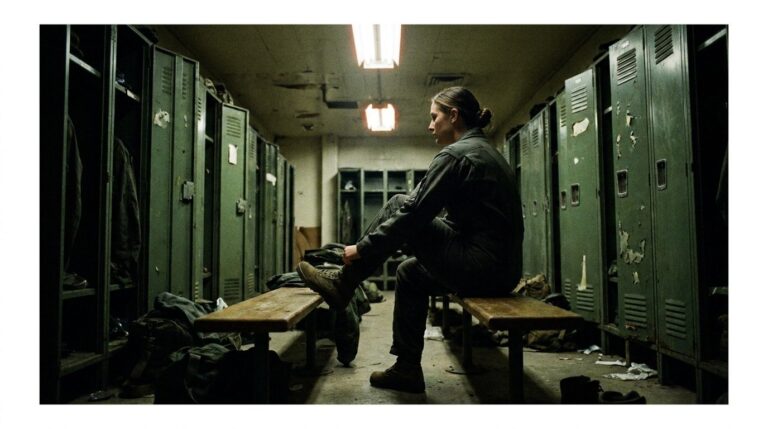
I did two deployments and left in 2017. I have thought about that smoke a lot since.
Why they existed
In the first years after 2003 the answer was improvisation. Bases were established fast, in a country with no functioning waste infrastructure, and nobody had planned for the volume.
Burning was the immediate solution and it became the permanent one. Incinerators were eventually installed on larger bases but it took years, and on smaller outposts the pit was the only option for a long time.
The pit at Balad is the one most often written about, because it was enormous and ran continuously.
What the exposure did
The honest answer is that it took two decades to establish anything officially.
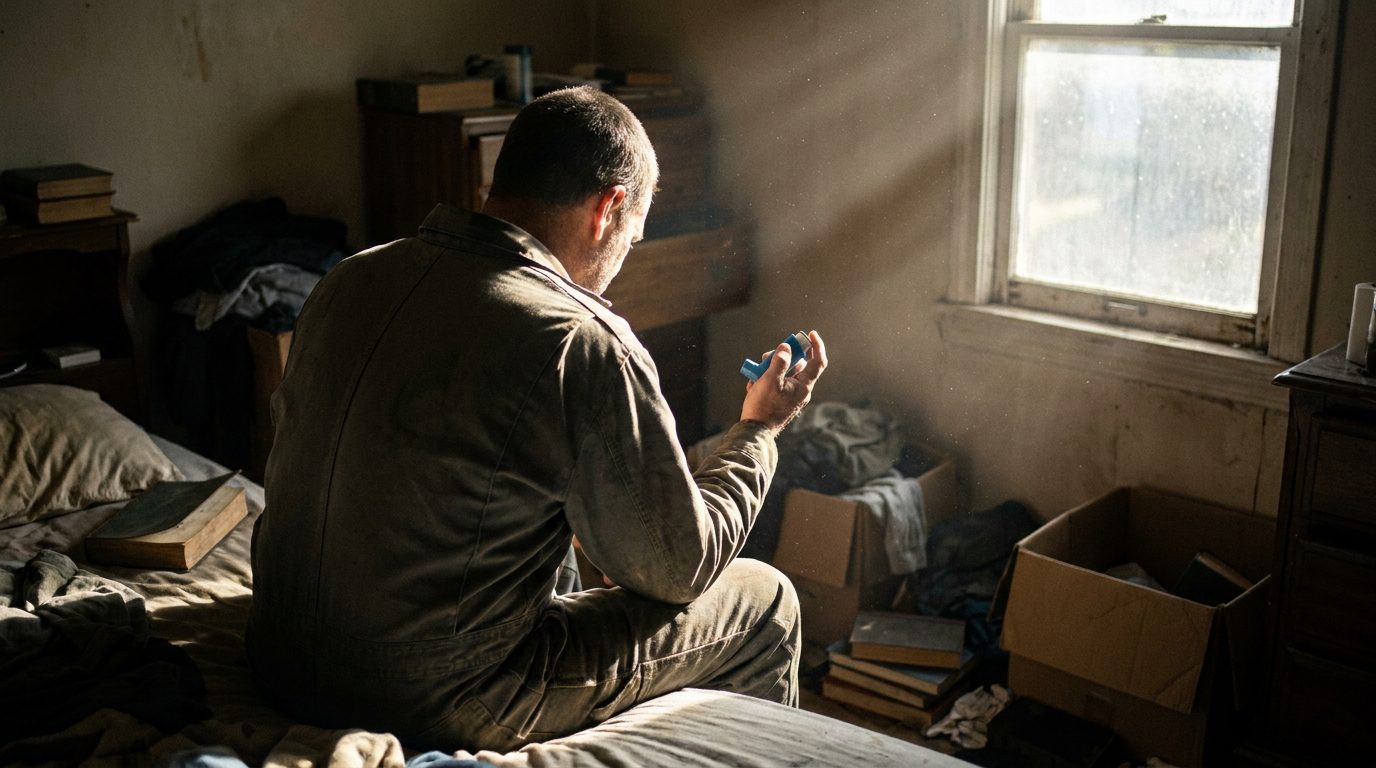
Veterans came home with persistent respiratory problems, and were told it was allergies or asthma or that they were deconditioned. Some developed rare cancers at ages where those cancers are not expected.
The pattern was visible to veterans long before it was accepted institutionally, which is a sentence that could be written about Agent Orange, about Gulf War illness, and about several other things.
For years the VA position was that a link between burn pit exposure and long term illness was not established. Claims were denied in large numbers on that basis.
The PACT Act
In August 2022 the Sergeant First Class Heath Robinson Honoring our PACT Act was signed into law, and it changed the framework.
The important mechanism is presumption. Certain conditions are now presumed to be connected to service for veterans who served in specified locations and time periods. Presumption means you do not have to prove that your particular cancer came from your particular deployment, which was an impossible evidentiary burden.
The list includes a range of respiratory conditions and a number of cancers. It also extended coverage to Gulf War era veterans and expanded eligibility for VA health care.
If you deployed to Iraq, Afghanistan, and a range of other locations in the relevant periods, this applies to you.
What to do about it
Enrol in VA health care even if you feel fine. Eligibility was expanded under the Act and being in the system is what makes everything else possible.
Get on the burn pit registry. It is a questionnaire about where you served and what you were exposed to, and it takes under an hour. It does not constitute a claim and it does not affect your rating. It creates a record.
If you were denied a claim before the PACT Act on the grounds that the connection was not established, file again. That denial was made under a different legal framework and the new one may reach a different result.
Get the medical evidence. Current diagnosis, and any record that documents where you served and when.
What I would say to the guys I served with
The reason most of us do not file is not the paperwork. It is that filing means admitting something is wrong, and admitting something is wrong feels like a claim on sympathy you do not want to make.
I understand it. I sat on it myself for a long time after I got out.
But a presumption in law only helps the people who use it, and the men who never file are the ones the system costs nothing. That is worth thinking about when you are deciding whether the cough is worth mentioning.
And if you have a friend who is sick and will not go, drive him. That works better than telling him to go, which I have also tried.