The women the Union Army actually employed
Ask a class who worked for the Union Army and you get soldiers, and after some prompting, nurses. That is roughly where the textbook stops, and it leaves out thousands of women who were on the payroll doing work the army could not have functioned without.
I taught American history to high school juniors in Kentucky for twenty-five years, and this is one of the gaps I got most annoyed about.
Laundresses
The oldest and the largest category, and the one nobody has heard of.
Army regulations provided for laundresses attached to companies, with rations and quarters and a rate they could charge the soldiers. They were an established part of army life long before the Civil War.
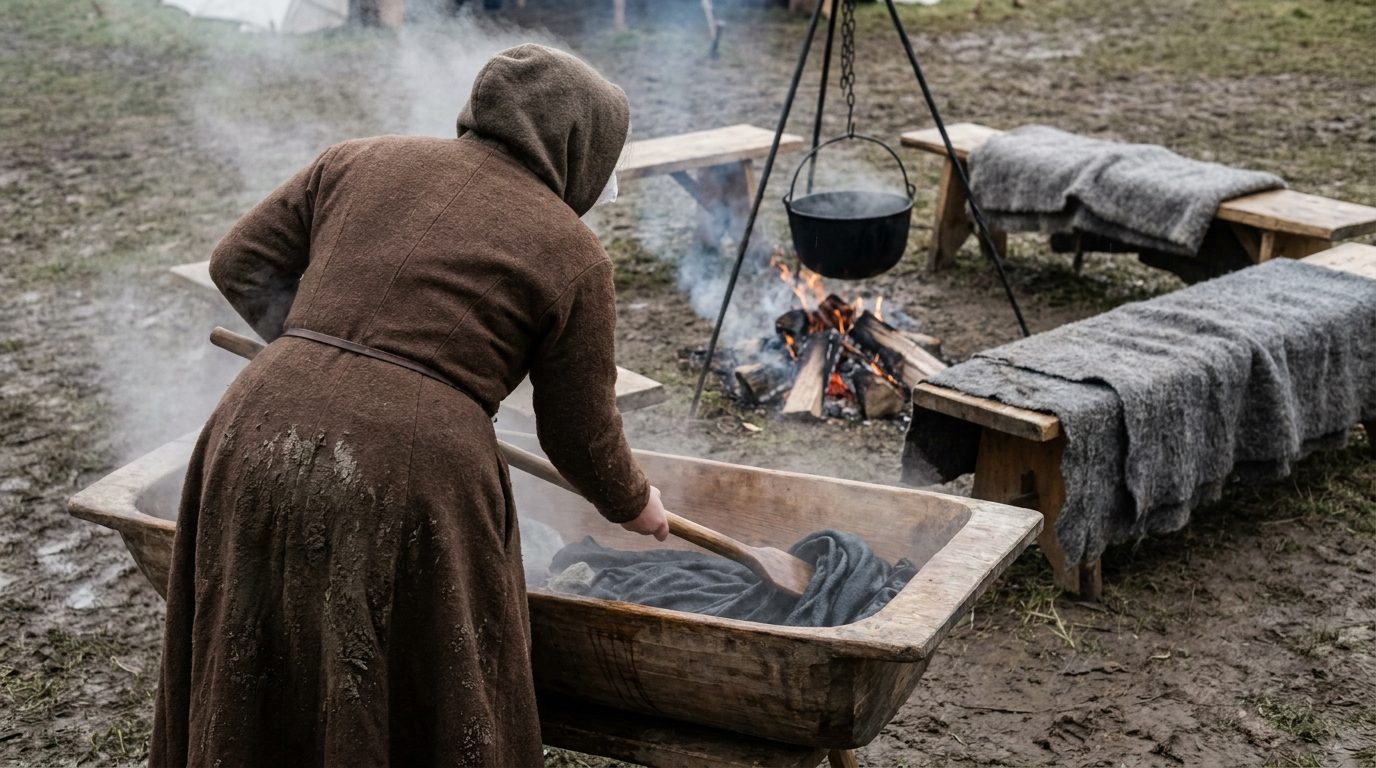
The work was punishing. Boiling water over open fires, lye soap, and the clothing of men living in mud. It was also one of very few positions where a working class woman could earn an independent wage with the army's official sanction.
Many were soldiers' wives. Some travelled with the army for the whole war.
Nurses and matrons
The famous category, and even here the picture is usually wrong.
Dorothea Dix was appointed Superintendent of Army Nurses and set conditions for the women she would accept that were restrictive to the point of parody: over thirty, plain in appearance, plainly dressed. The intention was to forestall objections about propriety, and it says a great deal about what those objections were.
Thousands of women served as nurses and matrons in general hospitals, and the majority never appear in any account by name.
Cooks and hospital staff
Hospital kitchens were substantially staffed by women, many of them formerly enslaved women who came into Union lines and took paid work.
That last point deserves more weight than it gets. A significant portion of the female workforce of the Union Army in occupied territory was Black, and for many of them these jobs were the first wages they had ever received.
Clerks
The war created an enormous federal bureaucracy in Washington, and the government began hiring women as clerks, notably in the Treasury.
They were paid substantially less than men doing the same work, and the appointments were controversial. They also did not go away when the war ended. That is the thread to follow if you want to see where this leads.
Spies, scouts and soldiers
The dramatic category, and the one where I would urge the most caution.
Some women did serve as soldiers in disguise, and a handful of cases are properly documented. Some worked as scouts and couriers, and Harriet Tubman's work for the Union in South Carolina is the best known example.
But the popular literature on women soldiers is full of numbers that trace back to nobody, and stories that were first written down decades later by people with reasons to embellish. When a source tells you hundreds of women fought in disguise, ask where the figure comes from. It usually dissolves.
Where to look
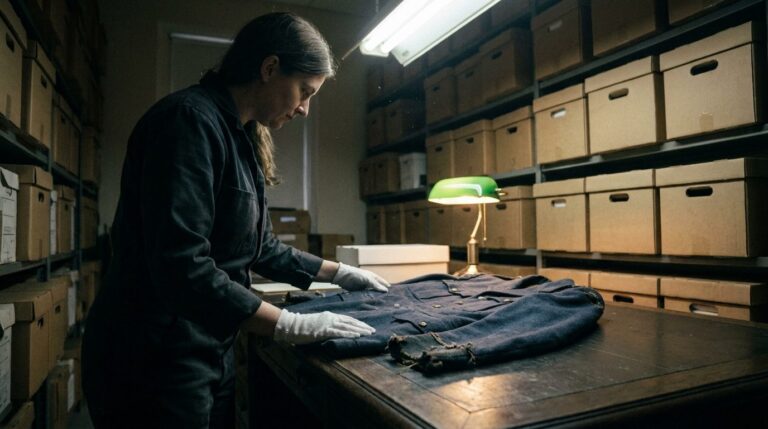
Compiled service records and payroll records at the National Archives are the primary sources for employed civilians, and they are underused because they are tedious.
Regimental records sometimes name laundresses. Pension files, especially widows' pensions, contain extraordinary detail about household circumstances and often about women's work.
Hospital records and the Sanitary Commission papers are rich and largely unread by anyone outside the field.
Why the textbook leaves them out
Partly because they were civilians and the narrative follows the army. Partly because the records are fragmentary and awkward to use. And partly because a laundress does not fit the story anybody wants to tell about the Civil War.
The textbook I had to teach from gave the entire subject two sentences and a photograph. I used to hand out payroll records instead and let the students work out for themselves who was there.