What town school records actually contain and how to find them
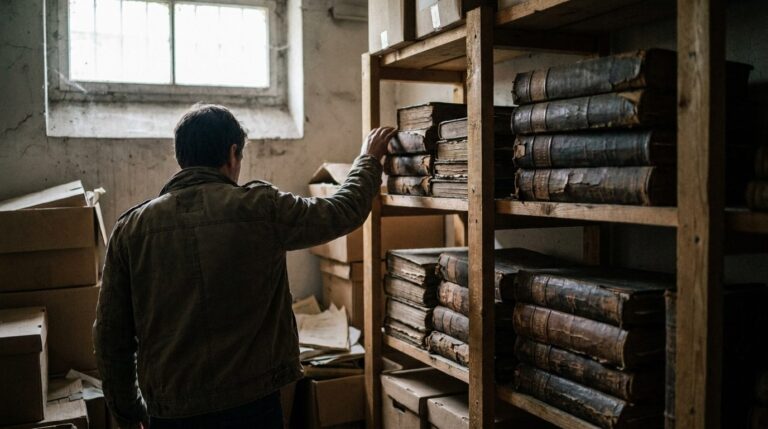
Town school records are the most underused source in local history, and they survive in far greater quantity than people expect, because nobody ever thought they were interesting enough to throw away.
They are also deeply boring on first reading, which is why they sit in boxes.
What the records are
School committee or school board minutes. Meetings, decisions, hiring, building repairs, disputes.
Teacher contracts and registers. A register is the day to day book kept by the teacher: pupils enrolled, attendance marked daily, sometimes conduct and subjects.
Town meeting records, because in New England the town voted the school appropriation directly and the arguments are in the minutes.
Superintendent or supervisor reports, often printed in the town annual report, which is the single most accessible source because those were published.
Building and district records. Before consolidation, a town was divided into school districts, each with its own small building and its own local committee.
What you can actually learn
Who was there. A register lists children by name, with ages, and if it is a good one, with parents' names. For anyone tracing a family between censuses, a school register fills the gap in a way almost nothing else does.
When families arrived and left. A child appearing in the register in 1883 and gone by 1885 tells you the family moved, and roughly when.
Attendance patterns, which tell you about work. In an agricultural town attendance collapses in planting and harvest, and the registers show it clearly. In a mill town you can see children leaving school for the mill by the age at which they stop appearing.
Teachers, who were overwhelmingly young unmarried women, paid poorly, hired term by term. Their names, their wages, and frequently their resignations after marriage, because many districts would not employ a married woman.
Conditions. Reports complain constantly about leaking roofs, insufficient firewood, and outhouses. Those complaints are the best description of the building that exists.
The arguments. Consolidation fights, disputes about where a schoolhouse should be sited, objections to a particular teacher. Local politics in miniature and often quite sharp.
Where they are
Town clerk offices hold school committee records in many places, and they are public records.
Local historical societies hold a great deal of it, frequently uncatalogued. Ask specifically. Do not rely on a catalogue or a website, because the material in a small society is usually described at the level of a box.
State archives hold state level education records and sometimes town material that was deposited.
Town annual reports are the easy win. They were printed, libraries kept them, and many have been digitised. Start here.
School district records from before consolidation are the hardest to find and are sometimes in private hands, having gone home with the last clerk of a district that dissolved in 1910.
How to ask
Be specific about the town, the approximate years, and whether you want a particular district.
Tell the archivist what you are actually trying to find out, not just which document you want. Half the time there is a better source for the question and we know where it is.
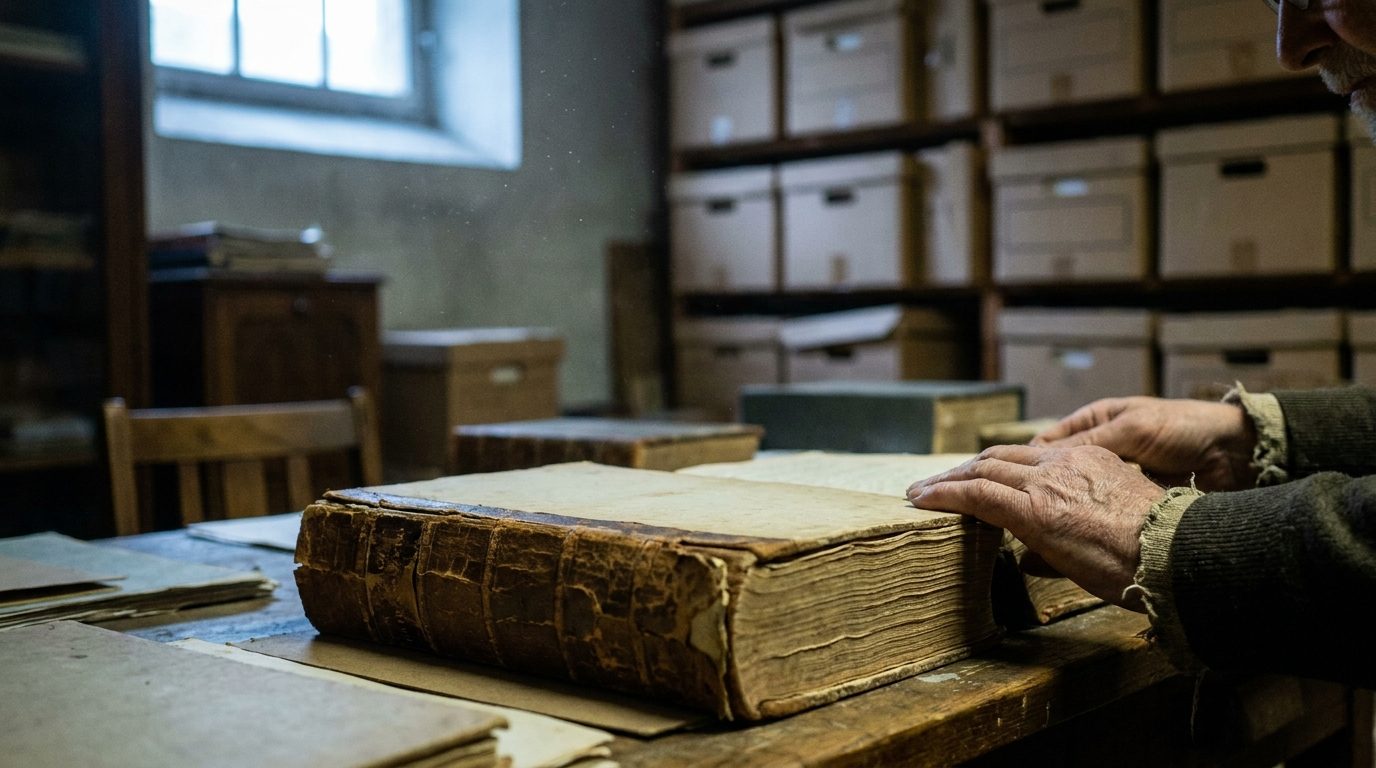
And be prepared for the answer that a particular register does not survive. Attendance registers were working documents, they were used until they fell apart, and a great many were discarded when a school closed.
Handling them
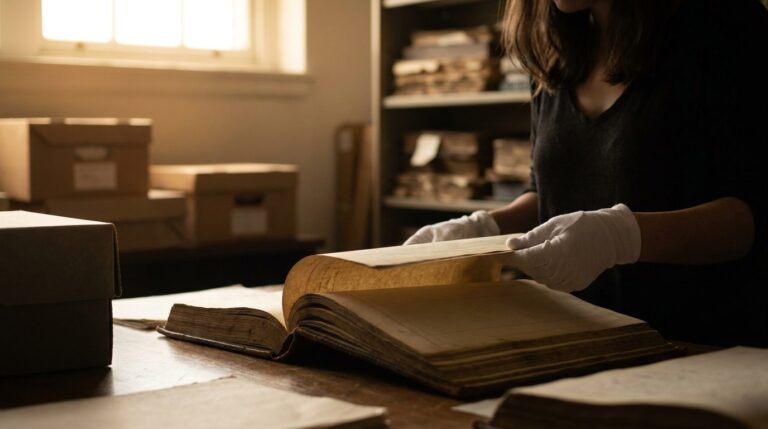
Pencil only, no pens, and no food. Support the spine. Photograph rather than transcribe on site.
Note the exact volume and page for anything you use, and note the repository. People do not do this and then cannot cite what they found.
One more thing
If you find a register with your family in it, look at the whole page and not just your name. The children beside your ancestor were the neighbours, and their surnames tell you who lived on that road. That context is usually the thing people are actually looking for without knowing it.