What happened to the refugee camps of the Civil War
They were called contraband camps, and the name comes from a legal argument rather than from anything humane.
In May 1861, three enslaved men reached Fort Monroe in Virginia. General Benjamin Butler refused to return them, reasoning that since Virginia claimed to have left the Union, he was under no obligation to honour the Fugitive Slave Act, and that men being used to build Confederate fortifications were contraband of war.
It was a lawyer's argument. It was also the crack in the wall.
How fast it grew
Within months there were thousands. Within two years there were camps across the occupied South, at Fort Monroe, Alexandria, Nashville, Corinth, Memphis, Helena, Vicksburg, Port Royal and dozens of other places.
The army had no plan for this. It had not anticipated becoming responsible for tens of thousands of civilians, and the response varied enormously depending on who was in command locally.
Conditions
Bad, and in many places catastrophic.
Overcrowding, poor shelter, inadequate rations, and disease. Smallpox, dysentery and measles ran through camps where people were living in whatever could be built from scrap. Mortality in the worst camps was appalling and the numbers are uncertain because nobody was keeping careful records of the deaths of people the government had not decided how to classify.
Some camps were run well. Corinth in Mississippi is usually cited as the example, with laid out streets, a school, a church, and land the residents farmed. It was later broken up and the population moved, which tells you how much the good conditions depended on one commander staying put.
What people did there
This is the part I always wanted students to sit with.
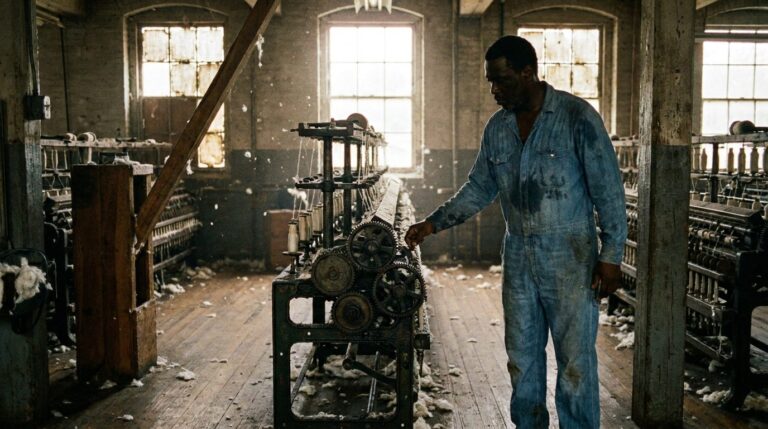
They worked. Men were employed by the army as labourers, teamsters and cooks, and after 1863 many enlisted. Women worked as laundresses, cooks and hospital staff. Camps ran their own markets.
They built schools. The demand for literacy was immediate and overwhelming, and missionary societies and the American Missionary Association sent teachers into camps where adults worked all day and came to lessons afterwards.
They looked for family. People who had been sold away from parents, spouses and children used the camps as a place to search, and that searching continued for decades afterwards.
And they organised. Churches formed, mutual aid societies formed, and people who had been legally property began operating as a community with its own institutions, in the middle of a war.
What happened after
The Freedmen's Bureau was established in 1865 and took over much of the work, with too little money and too few staff, against active hostility.
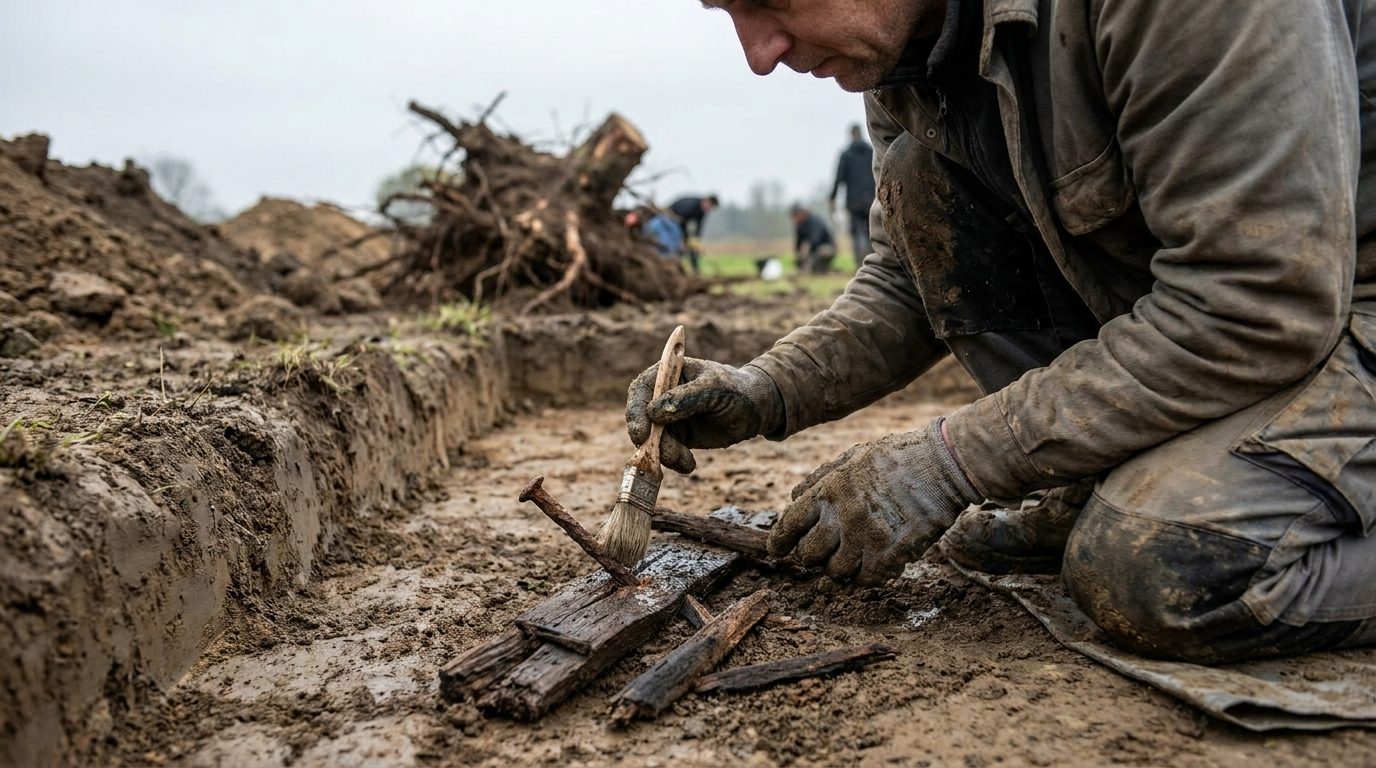
Some camps became neighbourhoods and are still there. Several communities across the South trace directly back to a contraband camp, and in places you can see it in the street pattern.
Others were simply dispersed. Land that had been worked by camp residents was restored to former owners under presidential policy after 1865, and people who had planted crops were removed from them.
Where the records are
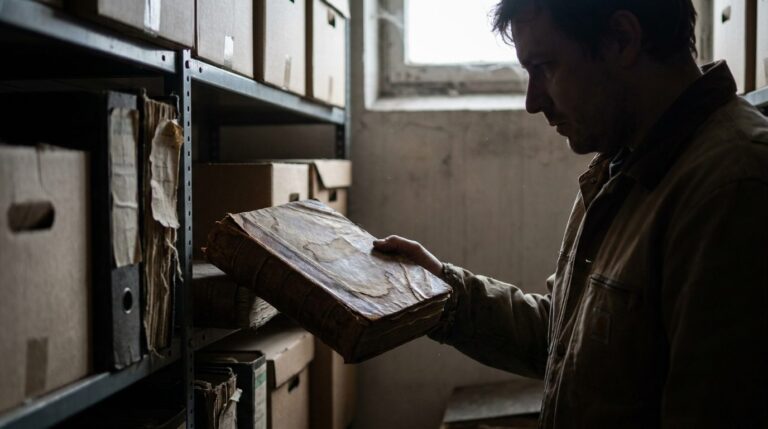
The Freedmen's Bureau records at the National Archives are the single best source, and a great deal has now been digitised and indexed. They contain labour contracts, ration issues, school reports, marriage registrations and complaints.
For anyone tracing a family, those marriage registrations are extraordinary, because they are frequently the first document in which a person appears with a surname of their own choosing.
The American Missionary Association archives hold the teachers' correspondence, and those letters are the most vivid material on the camps that exists.
What I would say about the name
I stopped using the word contraband in class without explaining it every time, because the word describes property, and the whole point of what happened in those camps is that the people in them were not.
But you cannot search the archives without it. That is the uncomfortable practical fact, and it is worth saying to students directly rather than tidying it away.