Where to look for a Civil War ancestor who never left the state
People come in here convinced that an ancestor who served in the Civil War must have been at Gettysburg, and are disappointed to find he spent the war at a fort on the Maine coast.


People come in here convinced that an ancestor who served in the Civil War must have been at Gettysburg, and are disappointed to find he spent the war at a fort on the Maine coast.
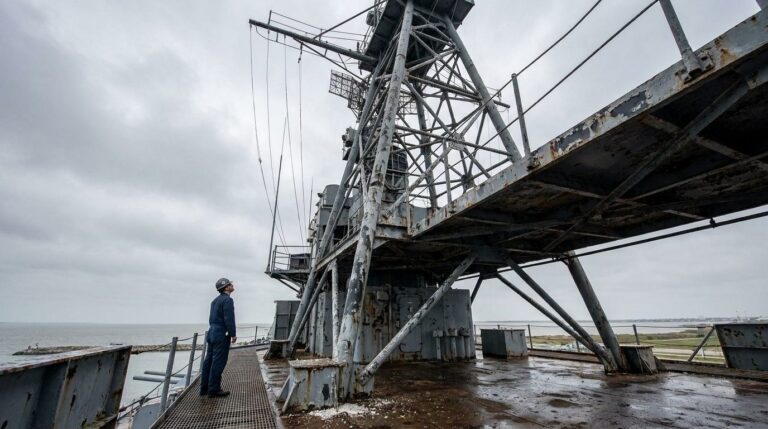
The Texas was commissioned in 1914. She is a museum ship now, and she is the only surviving American battleship that served in both world wars, which makes her a useful place to…

Ask most Americans to name the military operations of the last forty years and you will get Desert Storm, Iraq and Afghanistan. Panama, December 1989, usually does not come up at…

Olympia is the oldest steel warship still afloat anywhere, and she is tied up in Philadelphia. Most people know her as Dewey’s flagship at Manila Bay in 1898. The voyage I find…
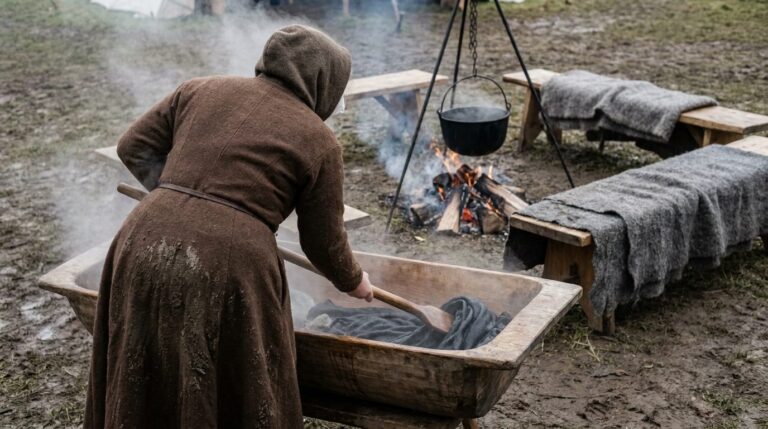
Ask a class who worked for the Union Army and you get soldiers, and after some prompting, nurses. That is roughly where the textbook stops, and it leaves out thousands of women…

People write to the National Archives expecting to find a day by day record of a relative’s ship and are told the record does not exist. That answer is usually correct, and it is…

Disease killed more men in the Civil War than combat did. That sentence appears in most textbooks and then nothing is done with it.

Town school records are the most underused source in local history, and they survive in far greater quantity than people expect, because nobody ever thought they were interesting…
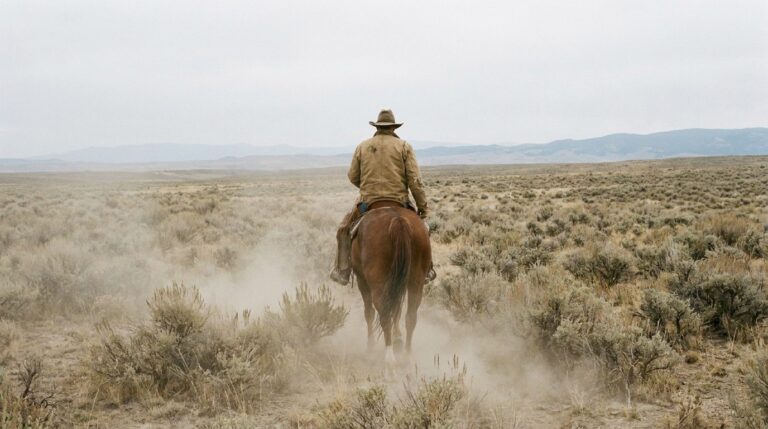
The question students always ask, once they learn that Native men served as scouts for the United States Army against other Native people, is why anyone would do that.
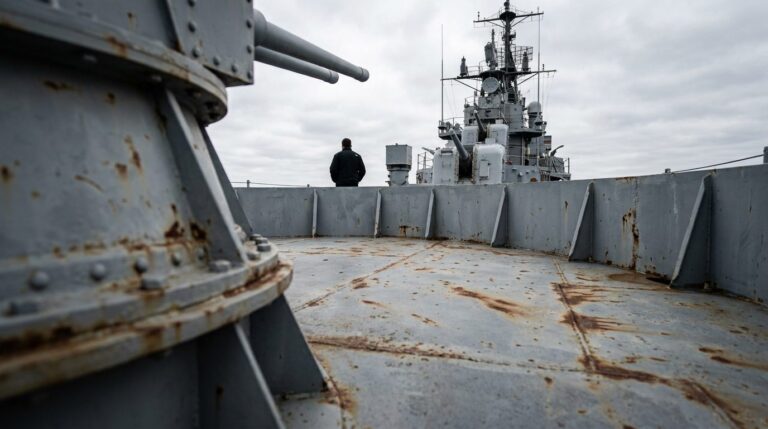
You can walk her deck today. She is tied up at Patriots Point in Charleston, and if you go, stand at the after gun mount and look forward, because that is roughly where the worst…
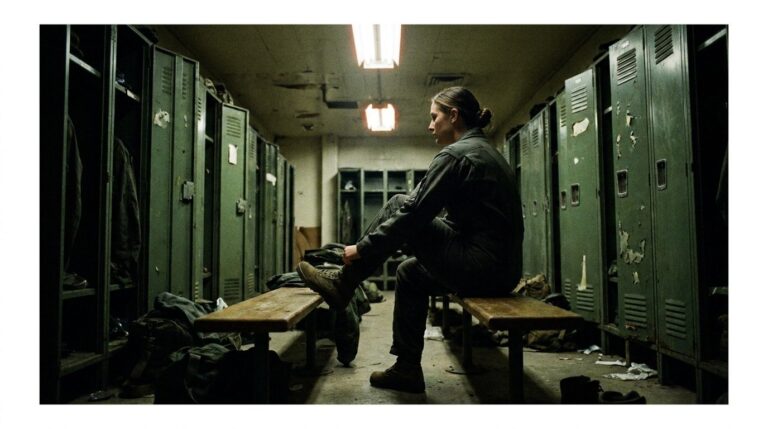
The combat exclusion for women flying aircraft came down in 1993. The Gulf War in 1991 is a large part of why.
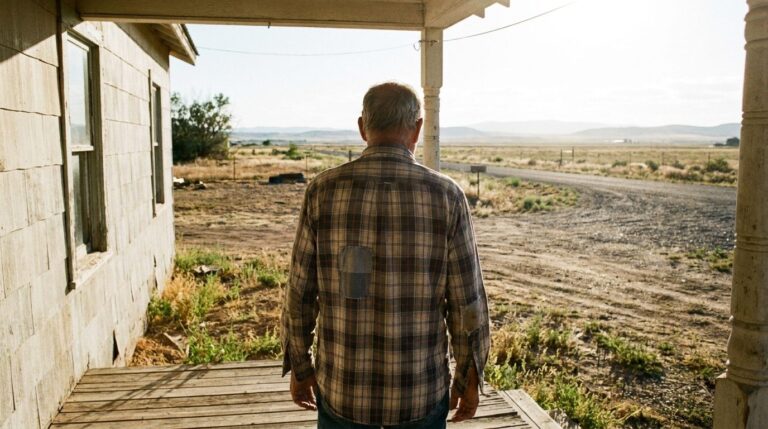
A quarter or so of veterans enrolled in VA health care live in rural areas, and the system was not built around them. It was built around cities with medical centres in them.